
Why 'Christmas creep' stresses us out
Peer reviewed by Dr Krishna Vakharia, MRCGPLast updated by Lydia SmithLast updated 3 Nov 2023
Meets Patient’s editorial guidelines
- DownloadDownload
- Share
- Language
- Discussion
Christmas can be the most wonderful time of the year, but it can be challenging. Shops are bringing out gifts and decorations earlier than ever and for some people, it's a reminder of how anxiety-inducing and expensive the festive season can be.

In this article:
Continue reading below
What is Christmas creep?
Shops are bringing out their Christmas stock earlier and earlier every year. Halloween is barely over before wreaths, trees and gifts appear on the shelves - and we are bombarded with Wham and Slade Christmas songs. Although many of us love the festive season, this so-called 'Christmas creep' can lead to anxiety and financial stress.
Counselling Directory member Rachel Matthews, a member of the British Association for Counselling and Psychotherapy, says she saw a Christmas advert on TV in early October which sparked anxiety about the approaching season.
"Rather than feeling super excited, a nervousness crept in," she says. "The pressure for everything to be perfect is huge. Everybody needs to be happy with the gifts they are given. Money needs to stretch."
Christmas is always expensive, but there is even more financial pressure with the rising cost of living. Many families have less money to spend, so going to the shops and seeing the Christmas lines out on display can trigger stress and guilt.
In addition, the creep of the holidays can trigger feelings of inadequacy. People may worry about preparing for Christmas and feel like they're already behind. The festive period and the emphasis on family time can already be a difficult time for people who have lost loved ones. A 2019 survey found 2 in 5 people felt stressed during the Christmas season, while around 1 in 4 has struggled with anxiety or depression1.
"We need to accept, without guilt, that Christmas can be a challenging time," says Matthews. "Being honest with ourselves is the first step, and accepting the reality of the situation rather than adding additional pressure to it."
How to avoid stress and anxiety over Christmas
Shops will never stop putting their festive lines out early, but there are steps you can take to gain control and feel more able to cope with the pressures of Christmas creep.
Limit your Christmas shopping time
If Christmas shopping is overwhelming for you, then limit the time you spend doing it. "Set yourself boundaries of both time and money and do your shopping in bite-sized chunks," Matthews suggests. "This can help manage the stress by giving yourself time to shop and recover."
Set a budget
Anxiety is often linked to feeling out of control, but creating a budget can help you feel more in control and less stressed. Write down what you need to buy and how much you want to spend on each item, including presents, decorations and food. Factor in your outgoings for that month, including heating and energy bills. Keep the list somewhere handy so you can tick off purchases and stick to your budget.
Make lists
Writing lists will help you understand who you want to buy for and what. Although it can be difficult to know what to buy people for Christmas, if you go shopping with no specifics, you can quickly end up overspending because the panic sets in.
Make compromises
If money is tight this year, speak to family and friends about ways to cut back. "Which elements of the day are non-negotiable and how can you compromise on others? For example, do you definitely need crackers on the table?" says the counsellor.
If you're hosting Christmas dinner with friends and family, you could ask people to each bring a dish or drinks so the cost of the meal is spread out.
Be honest
It's important to share with others how you are feeling. You won't be alone in feeling overwhelmed, so by talking to someone else you can offload and normalise some of the things that you feel. If you're struggling with your mental health, it may be helpful to speak to your doctor for advice. You can self-refer for counselling on the NHS.
Limit social media
Social media encourages us to compare our lives to other people's. People don't tend to post the negative bits online, so we rarely get a realistic snapshot of their lives - but it can still have a negative impact on our mental health. If you're worried that you haven't got the budget you had last year, it can help to limit the time you spend on social media over Christmas.
Make time for yourself
It's easy to get wrapped up in presents, food and trying to please everyone at Christmas. Remember, it's fine to say no to an invitation if you do not have the time or just do not fancy it.
Trying to remember the things that make you happy - going for crisp winter walks, spending time with friends or family or relaxing - can help keep things in perspective.
Continue reading below
Further reading
Patient picks for Stress

Mental health
Is your job putting your health at risk?
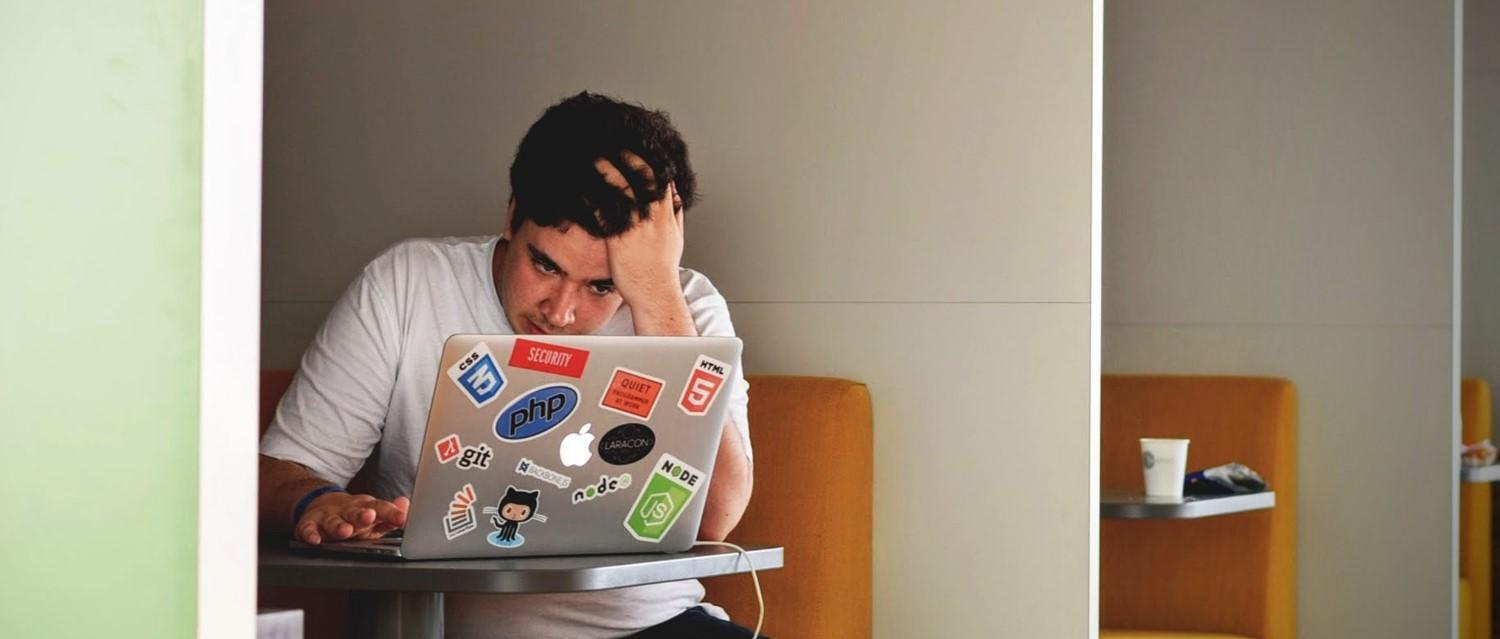
Ever feel like your job is killing you? It's an expression we all use when we're stressed and exhausted, but the reality is that being overworked can be very bad for your health.
by Andrea Downey
Mental health
The warning signs of stress
Sometimes stress can sneak up on us without us realising. Whether it's work, money or anxiety related to COVID-19, we might not even notice that we are struggling until things get really bad. So what are the warning signs of stress - and how can we look after ourselves day to day?
by Lydia Smith
Article history
The information on this page is peer reviewed by qualified clinicians.
3 Nov 2023 | Latest version
8 Nov 2022 | Originally published
Authored by:
Lydia Smith

Ask, share, connect.
Browse discussions, ask questions, and share experiences across hundreds of health topics.
Feeling unwell?
Assess your symptoms online for free
Sign up to the Patient newsletter
Your weekly dose of clear, trustworthy health advice - written to help you feel informed, confident and in control.
By subscribing you accept our Privacy Policy. You can unsubscribe at any time. We never sell your data.