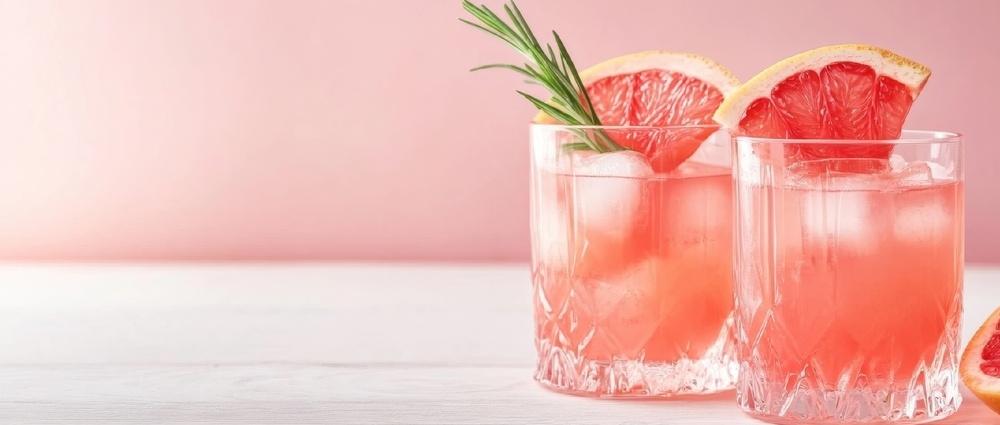
How to create healthy drinking habits that last beyond Dry January
Peer reviewed by Dr Colin Tidy, MRCGPLast updated by Lynn StephenLast updated 7 Jan 2026
Meets Patient’s editorial guidelines
- DownloadDownload
- Share
- Language
- Discussion
After a Christmas of excess, many of us vow to become healthier in the New Year. Often, this involves giving up alcohol in January to try to reset our relationship with drinking. However, it can be tempting to fall back into our previous habits as soon as February rolls around. So how can we make long-lasting changes to the way we drink?
In this article:
Continue reading below
Healthy drinking initiatives
Dry January can be a great opportunity to alter our drinking habits and try sobriety, particularly after the festive period. Research suggests that temporary abstinence comes with many health benefits, including improved insulin resistance and lower blood pressure.
According to the charity Alcohol Change UK, Dry January offers the opportunity for a reset and a chance to see significant benefits. Of those who gave up alcohol for January surveyed by the organisation, 70% of those have better sleep, 86% of people save money, 65% have more energy, and 65% of people notice generally improved health.
However, it can be challenging to go 31 days without a glass of wine, especially when we are back at work and the month feels so long and bleak. Even if we manage to stop drinking for the whole month, it's easy to fall back into our usual drinking habits from February onwards.
Graeme Callander, former contracts manager at the alcohol and drug misuse charity We Are With You, says initiatives such as Dry January and Sober October are great for people who are already motivated to change their alcohol use, or just want a break from alcohol.
"They help to promote positive messages around building a healthier relationship with alcohol," he says. "These - alongside other alcohol awareness campaigns - can help increase understanding around safer and healthier alcohol use. However, there are people who need additional or more tailored support to make long-term changes, looking at the underlying reasons for their drinking and a more holistic treatment approach."
How to create long-lasting healthy drinking habits
If you are looking to cut down on your alcohol consumption in the longer term, there are plenty of ways to make it an easier process.
Come up with healthy drinking strategies
Moderation can be harder than being completely dry, so it's worth having some strategies in place for how you'll stick to your plan. This might mean having a soft drink or a glass of water in between alcoholic drinks, so you drink less alcohol over the course of the night.
Dr Richard Piper, CEO of Alcohol Change UK, says if you're prone to a weekend binge, think about how you could have a little less. "Practise saying no, and don’t be afraid to stick to your plan," he adds.
Plan how much you want to drink
Piper recommends that if you've taken on Dry January and you'd like to cut back longer-term, that you plan the amount of alcohol you want to drink. It's a good idea to work out how many units you were drinking before Dry January and how many you'd like to be drinking now.
"Alcohol Change UK's drinking quiz and unit calculator tools can help you with this. And you can use the free Try Dry app to set yourself personalised goals for how much you want to be drinking and how often."
It can help to create a drinks diary and write down how much you drink each week.
The Chief Medical Officers' guidelines for men and women are to drink no more than 14 units a week, which is around six medium glasses of wine or six pints of normal-strength beer.
If you regularly drink as many as 14 units per week, it is best to spread your drinking evenly over three or more days and have at least a couple of alcohol-free days each week.
Additionally, it can help to consider how you feel after drinking too much, as lots of us experience anxiety and low mood after consuming too much alcohol. Writing down how you feel can give you something to look at when you are tempted to drink more.
Only drink what you enjoy
Often, we feel pressure to drink more than we actually want to on a night out. Whether it's the friend who insists on buying everyone shots or the one who tops up your wine glass without asking, it's easy to drink more than we intend to. Sometimes, we end up drinking alcoholic beverages we don't actually like, too.
"Think about the drinks you have because you actually want and enjoy them, and those you just drink because they're there or out of habit," says Piper. "The latter are the best drinks to cut out - and you'll be amazed at the difference this makes."
Callander also advises choosing drinks that are lower in strength too. "Aim to have at least two days completely alcohol-free a week," he says.
Think about triggers
Often, we have triggers that impact our behaviour. For example, we may want to drink more in stressful situations as a coping mechanism or if we are in certain places. Thinking about our triggers can help us predict whether we will be tempted to overdo it with alcohol, which can help us avoid it.
If you're used to reaching for a glass of wine after work, it can help to try a new activity instead. Trying a gentle exercise class or going for a walk is known to lower stress levels by reducing stress hormones and stimulating the production of endorphins.
Although alcohol can make us feel temporarily relaxed, regularly drinking more than 14 units a week disrupts the balance of chemicals in our brain that affect mood, which can make us feel more anxious or low. Heavy drinking can also cause other major health issues such as liver and heart disease.
Ask for professional help
Callander recommends asking for help if you are worried about the amount you are drinking. We all need help at certain times in life and we should never feel ashamed to say it, no matter what age we are or what the issue is.
He says: "Services such as With You use a holistic approach rather than just removing alcohol. We use evidence-based support to look at the reasons behind a person's drinking and the best ways for them to move towards making positive changes. If you or someone close to you is affected by drinking, there are services like ours which are free of charge and easy to access."
You can also speak to your doctor if you are worried about your drinking. Try to be honest about how much you are drinking and why you are concerned. For example, if you often feel the need to have a drink or frequently get into trouble because of it.
Your doctor may be able to advise on the support options available to you, such as from local community alcohol services. Counselling or therapy may also be useful to address any underlying issues affecting your drinking habits. You can also refer yourself to alcohol support services.
Patient picks for Alcohol advice

Healthy living
What are the risks of alcohol as you get older?
Alcohol presents health hazards for people of all ages. But as we age our bodies are less able to cope with its effects, and health concerns increase even more. This includes our chance of developing several cancers, the likelihood of breaking a bone after a minor fall, slower reaction times, and bad reactions to medicines.
by Victoria Raw
Healthy living
What are the benefits of giving up alcohol?
Many of us are guilty of having too much alcohol, particularly on a special occasion or at the end of a long week. However, abstinence is becoming more mainstream - and people turning to non-alcoholic alternatives says it does wonders for their mental and physical health.
by Lydia Smith
Continue reading below
Article history
The information on this page is peer reviewed by qualified clinicians.
Next review due: 7 Jan 2029
7 Jan 2026 | Latest version
16 Jan 2022 | Originally published
Authored by:
Lydia Smith

Ask, share, connect.
Browse discussions, ask questions, and share experiences across hundreds of health topics.

Feeling unwell?
Assess your symptoms online for free
Sign up to the Patient newsletter
Your weekly dose of clear, trustworthy health advice - written to help you feel informed, confident and in control.
By subscribing you accept our Privacy Policy. You can unsubscribe at any time. We never sell your data.