
What are the benefits of vitamin E?
Peer reviewed by Dr Colin Tidy, MRCGPLast updated by Victoria RawLast updated 18 Jan 2026
Meets Patient’s editorial guidelines
- DownloadDownload
- Share
- Language
- Discussion
Vitamin E is a well-loved ingredient in any skincare routine. But it's also vital for your health and how your body functions. Find out why and how to get enough vitamin E here.
In this article:
If you're eating a balanced and healthy diet, you're likely to be getting all the vitamin E benefits your body needs.
Dietitians Helen Bond and Clare Thornton-Wood from the British Dietetic Association (BDA) explain what vitamin E is and why your body needs it.
Continue reading below
What is vitamin E?
Like most vitamins, vitamin E is a fat-soluble compound. Fat soluble vitamins are absorbed along with fats in the diet and are stored in your body's fatty tissue and liver.
Vitamin E benefits
Thornton-Wood says one of vitamin E’s key roles is as an antioxidant, helping protect your body’s cells from damage caused by unstable molecules - known as free radicals.
"These are produced by pollutants such as cigarette smoke, air pollution, and UV rays from the sun, and also by your body itself when food is digested," she explains.
"For this reason, vitamin E is important for maintaining a healthy immune system and overall health and wellbeing."
Continue reading below
Am I eating enough vitamin E?
Like all things good for you, vitamin E is found in many healthy foods. If your body is not getting enough vitamin E - it's usually linked to a poor diet.
Bond notes that most people are able to get enough vitamin E in their diet.
"It can also be stored in the body, so it's not essential to be consumed in large amounts every day," she says. "So, a deficiency is rare in this country, even in people with a chronic malabsorption of fats - a condition where your body can't absorb fats properly."
In the UK it is recommended adults consume 3-15 milligrams of vitamin E daily.
What foods contain vitamin E?
Thornton-Wood highlights some of the best sources of vitamin E:
Wheatgerm.
Cereals and cereal products made with whole grains.
Nuts and seeds.
Plant oils such as olive oil.
It is also added by manufacturers to some foods such as breakfast cereals and spreads, and is in very small amounts in dark leafy greens.
"It is not difficult to obtain all the vitamin E benefits you need each day from eating a balanced diet," she adds. "Any not utilised that day can be stored by your body for future use."
Is vitamin E deficiency possible?
While deficiency in vitamin E isn't likely, there are some people more prone to vitamin deficiency in general and in need of a higher intake of vitamin E.
Thornton-Wood explains that vitamin E deficiency is rare and is generally linked to diseases where digestion or absorption of fat is an issue - such as in Crohn's disease and cystic fibrosis.
"In extreme cases a lack of vitamin E can cause damage to your nerves and muscles," she says. "This could result in loss of feeling in your arms and legs, weakness of your muscles and issues with your vision.
"A lack of vitamin E could also lead to you having a weakened immune function."
Continue reading below
Do I need to take vitamin E supplements?
Vitamin E supplements are generally not necessary for most people. Thornton-Wood advises that vitamin E is much better obtained from food.
"This will then provide a range of other nutrients such as fibre, and additional vitamins and minerals," she says.
Bond adds that while there have been suggestions of health benefits linked to high doses of vitamin E, the jury is still out on whether supplementing with vitamin E is necessary.
She notes: "High doses of vitamin E have been implicated in promoting health and protecting against many health conditions including Alzheimer's disease.
"But so far there's not enough conclusive evidence that taking high doses of vitamin E supplements each day is essential. Instead, the effort should be on eating a healthy, balanced, and varied diet, and including plenty of foods that are naturally rich in vitamin E."
Vitamin E side effects
Like all things in life, you can end up with too much vitamin E, although it's extremely rare.
Thornton-Wood warns that extreme amounts of vitamin E can increase your chance of bleeding because they reduce your blood’s ability to clot properly. For this reason, if you are about to have surgery - you should not be taking vitamin E supplements.
Research has shown that there could be an increased chance of prostate cancer with high doses of vitamin E as well as a higher likelihood of death in those with severe heart disease that have had heart attacks or strokes.
Supplements should not be used in certain conditions such as heart disease, bleeding disorders, eye issues, cancers, liver disease and diabetes. If you have any condition - it is worth getting some expert advice before considering supplements.
"People on other medicines should always consult a pharmacist before taking dietary supplements," says Thornton-Wood. "In particular, vitamin E can interfere with the action of drugs such as warfarin - a type of blood thinner - and also the action of some chemotherapy drugs."
The safest take home message is, if you're worried about not getting enough vitamin E, make sure you're eating plenty of whole grains, nuts, seeds, and leafy greens. And if you're thinking about taking a supplement, always consult your pharmacist or doctor first.
Patient picks for Vitamins and supplements
Diet and nutrition
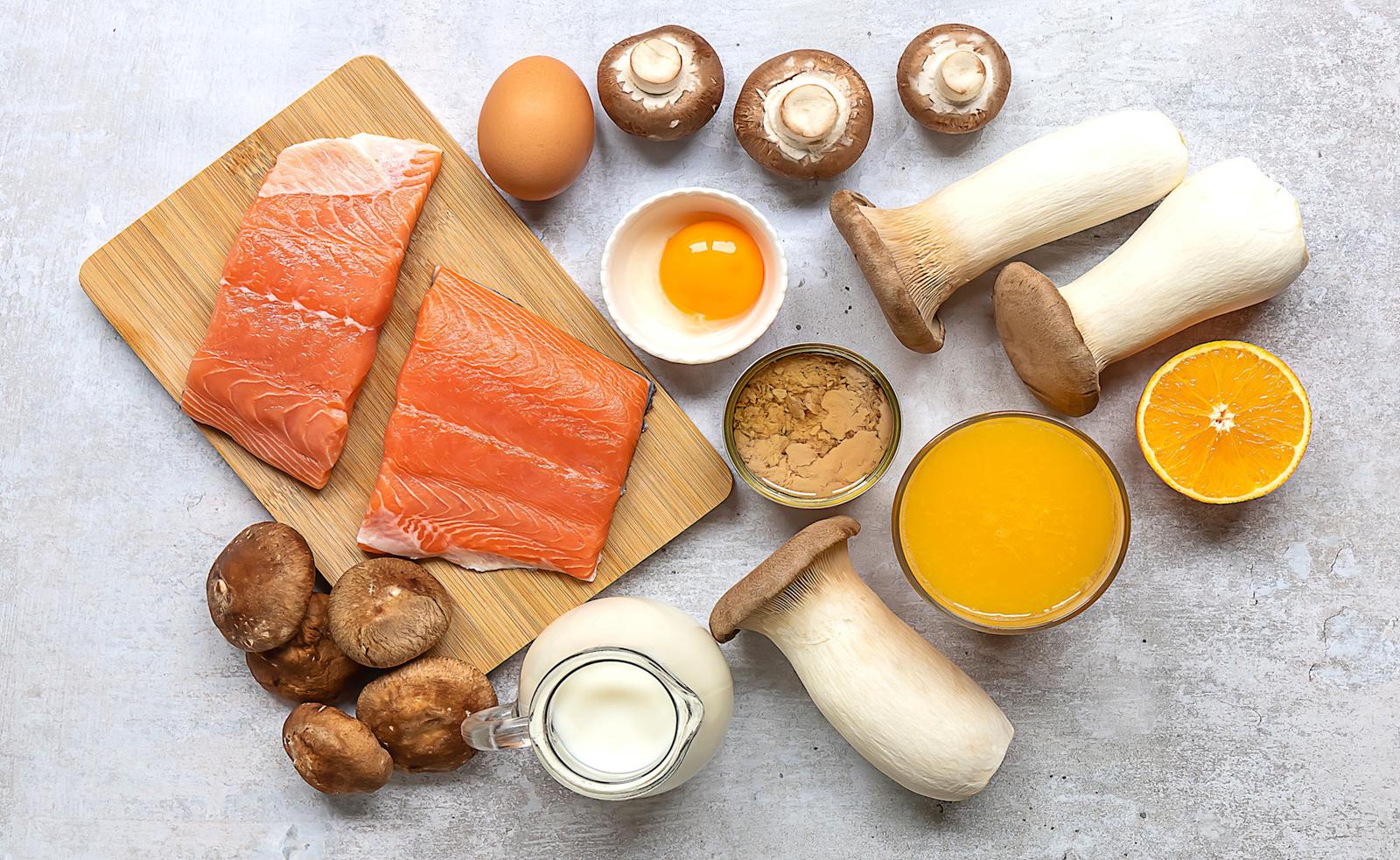
10 everyday foods high in vitamin D
Vitamin D plays an essential role in bone health, immunity, and mood, yet many people in the UK don’t get enough, especially during the darker months. While sunlight is the main source, certain foods can also help to boost your levels naturally. In this article, we explore vitamin D foods you might not expect and how to include them in your diet.
by Josh Alderman
Diet and nutrition
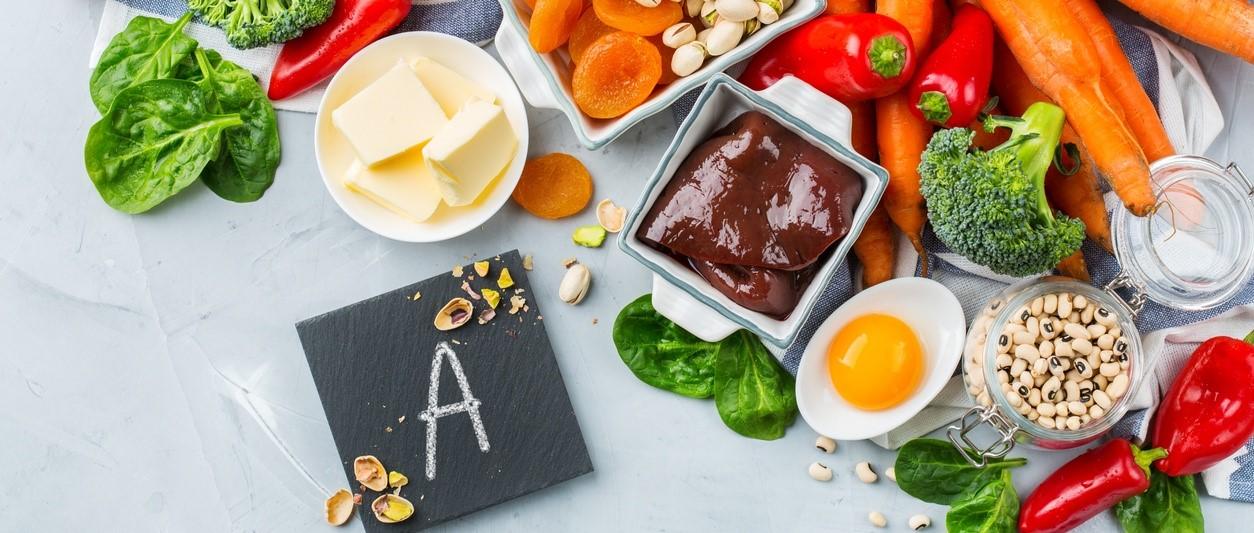
What are the benefits of vitamin A?
Our bodies need certain nutrients to perform day-to-day functions and without them you may start to see some health problems. One of those nutrients is vitamin A. What are the vitamin A benefits, where does it come from, and do you need to take supplements to get the right amount?
by Andrea Downey
Continue reading below
Article history
The information on this page is peer reviewed by qualified clinicians.
Next review due: 18 Jan 2029
18 Jan 2026 | Latest version
12 Oct 2022 | Originally published
Authored by:
Andrea Downey

Ask, share, connect.
Browse discussions, ask questions, and share experiences across hundreds of health topics.
Feeling unwell?
Assess your symptoms online for free
Sign up to the Patient newsletter
Your weekly dose of clear, trustworthy health advice - written to help you feel informed, confident and in control.
By subscribing you accept our Privacy Policy. You can unsubscribe at any time. We never sell your data.