What is cancer 'prehabilitation'?
Peer reviewed by Dr Sarah Jarvis MBE, FRCGPLast updated by Ellie BroughtonLast updated 13 Oct 2021
Meets Patient’s editorial guidelines
- DownloadDownload
- Share
- Language
- Discussion
A cancer diagnosis is one of the most difficult things a person can face during their lifetime. As waiting times peak across the UK, experts explain how support before - known as prehabilitation - as well as during and after treatment can help people cope with cancer.
In this article:
Continue reading below
Ongoing cancer support
Katherine Crowson was 29 when she got a breast cancer diagnosis, just a few days after lockdown was first announced. She was put in touch with a local cancer support charity and had her first phone appointment three weeks after diagnosis, and began chemo three weeks after that.
Crowson is one of many patients to benefit from 'prehabilitation' treatment. She accessed services via Maggie's, a UK cancer charity, but other charities (such as Macmillan) offer prehabilitation too.
"I couldn't do it by myself; I really needed the guidance - somebody to answer all my questions," she says. "'Is this normal to feel this way?’ - 'I'm having this kind of thought, and I'm not sure whether that's the treatment, or whether that's actually how I feel'. 'Is this feeling going to last forever?' I just knew I needed somebody who was going to say, 'Yes, it is normal to feel like that; it's because of the steroids that you've taken, and that's coming to an end', or, 'It's the steroids crash, you will get through this'."
For example the night before chemotherapy Katherine was able to ring her contact to talk through her concerns about the next day, and after an appointment with her surgeon she was able to debrief to her contact about anxieties around mastectomy. She says she felt the support before chemo in particular prevented her from delaying chemo, as well as having massive benefit for her mental health. She was also able to ask her contact questions about her drugs, side effects, and exercise during treatment.
"If somebody can take the time to sit down and talk you through kind of what's going to happen, and what resources are available to make things easier, and what's going to happen it is amazing," she says.
Katherine is now coming to the end of her treatment, and is able to access weekly support to cope as her care tapers off - typically an anxious period, despite friends' and family's assumptions. Having someone in a listening role, who understands her anxieties, is a key support at the moment.
What does prehabilitation mean?
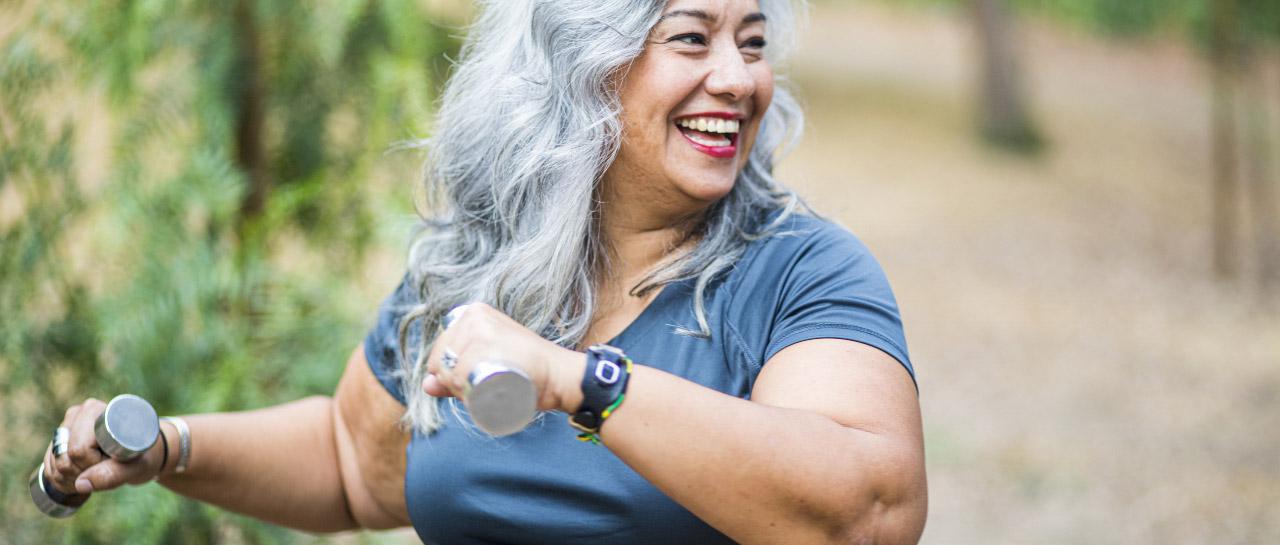
In its principles and guidance for prehabilitation, published 2019, Macmillan’s guidance focused on three areas: physical activity and exercise, nutrition, and psychological support and behaviour change.
Not every intervention applies to every cancer patient, the guidance also advises. But 'universal' interventions (suitable for anyone with cancer) should be self-managed, authors said. People with cancer and their families should receive dietary, exercise and psychological advice and behaviour change support, be signposted to appropriate resources, and be advised on how to self-manage, recognise and respond to any change in physical and/or psychological state. Interventions could be planned and recorded in a care plan (sometimes called PPCP).
Continue reading below
Evidence for prehabilitation
Prehabilitation is a relatively new term, and was only formally defined as a cancer treatment in 2013.
In its 2017 review of the evidence for cancer prehabilitation, Macmillan authors found that although there was a strong evidence basis for non-cancer prehabilitation, we're not yet there with the cancer-specific evidence. Emerging evidence includes:
A 2016 cohort study of over 200 breast cancer patients scheduled for surgery which found that people who were more active had an 85% increased chance of feeling physically recovered at three weeks.
A 2015 systematic review of psychological interventions before surgery, which found patients' immunological function improved, as well as their outcomes and quality of life.
A different systematic review from 2014, which found that physical activity helps improve physical fitness before surgery, and physiotherapy could reduce pulmonary complications.
In non-cancer prehabilitation, prehab has been shown to:
Increase 'functional capacity'.
Improve quality of life.
Decrease depression.
Shorten hospital stays.
Increase physical fitness.
Reduce complications.
With further research into its effectiveness, prehabilitation for cancer could one day become part of routine NHS treatment. For now, patients will have to take the lead in seeking prehab-like advice, support and services from their cancer care clinicians.
But for people with a cancer diagnosis who are curious about prehabilitation, there is one opportunity to find out more. The SafeFit trial is currently ongoing and open to new participants with suspicion of or confirmed diagnosis of cancer. As well as putting participants in touch with their own cancer exercise specialist, the trial will also create new data on the role of exercise in cancer treatment and outcomes.
The bigger picture
Dr Adam Janjua is a GP and also the clinical lead for cancer for Fylde Coast CCGs, and says that anything that helps patients become fitter and more healthy in anticipation of possible treatment for cancer would be something that he would support.
"Chemotherapy and radiotherapy can have a devastating impact on the body especially for patients who may have ill health to begin with," he says. "I would see prehabilitation as a great benefit here. And if mental health support is added into this before treatment then that would be a bonus.
He's aware that many people may feel anxious about cancer wait times at the moment.
"With pathway delays occurring nationally this would also serve to keep the patient focused on their health whilst they are in the queue, rather than waiting and worrying," he says. "The NHS is under unprecedented pressure to clear COVID-19 backlogs, and there are also acute staff shortages nationally both in primary and secondary care. But teams all over the country are working flat out to get patients in for treatment."
Patient picks for Information about cancer

Cancer
Sugar in soft drinks and fruit juice linked to increased cancer risk
A study has linked drinking sugary drinks (including fruit juice) to cancer. But researchers say much more work is needed before we can be sure soft drinks actually cause the disease.
by Ashwin Bhandari

Cancer
The truth about obesity and cancer
Cancer Research UK (CRUK) is raising awareness of the connection between obesity and cancer. But many people have spoken out about the campaign, claiming it is reductive and fat-shaming. We explore the science linking weight to the disease.
by Ellie Broughton
Continue reading below
Article history
The information on this page is peer reviewed by qualified clinicians.
13 Oct 2021 | Latest version
13 Oct 2021 | Originally published

Ask, share, connect.
Browse discussions, ask questions, and share experiences across hundreds of health topics.

Feeling unwell?
Assess your symptoms online for free
Sign up to the Patient newsletter
Your weekly dose of clear, trustworthy health advice - written to help you feel informed, confident and in control.
By subscribing you accept our Privacy Policy. You can unsubscribe at any time. We never sell your data.