Vitamin A-rich foods could protect against skin cancer
Peer reviewed by Natalie HealeyLast updated by Ashwin BhandariLast updated 1 Aug 2019
Meets Patient’s editorial guidelines
- DownloadDownload
- Share
- Language
- Discussion
People who consume foods rich in vitamin A are 17% less likely to develop a common form of skin cancer, according to experts at Brown University.
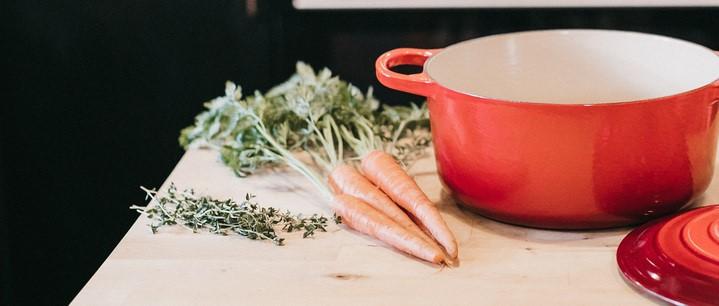
Foods such as black beans, carrots and sweet potato contain vitamin A, which is associated with a healthy immune system. Vitamin A can also help the heart, lungs, kidneys and other organs work properly.
Whilst vitamin A's benefits have been known for a while, prior studies on its link to skin cancer have been mixed.
Research, led by Dr Eunyoung Cho, at Brown University, looked at the data of 121,700 women from 1984 to 2012, and over 50,000 men from 1986 to 2012.
The results showed people with the highest vitamin A intake were 17% less likely to get cutaneous squamous cell carcinoma (the second most common form of skin cancer) compared to those in the category with the lowest vitamin A intake.
Nearly 4,000 people developed squamous cell skin cancer during more than 25 years of follow-up.
Those with higher levels of vitamin A tended to be older. They also exercised more and were less likely to consume alcohol or caffeine. The women in the study with higher levels of vitamin A were more likely to use HRT after menopause.
The researchers also found that eating high levels of other plant-based pigments similar to vitamin A, such as lycopene in tomatoes and watermelon, was associated with decreased risk of skin cancer.
Cho said: "Our study provides another reason to eat lots of fruits and vegetables as part of a healthy diet. Skin cancer, including squamous cell carcinoma, is hard to prevent, but this study suggests that eating a healthy diet rich in vitamin A may be a way to reduce your risk, in addition to wearing sunscreen and reducing sun exposure."
The study, however, did not account for vitamin A supplements, as well as the fact that excess consumption can lead to nausea, liver toxicity, increased risk of osteoporosis and hip fracture.
Patient picks for Vitamins and supplements

Diet and nutrition
Do probiotics promote healthy hair?
When you think of healthy hair, you probably think of conditioning treatments, heat damage protection, and many other things. You might not think of your gut - but the gut-hair connection is something that scientists are newly discovering. Probiotics are good bacteria that help keep your gut happy. Does this also make them the key to fuller and healthier hair?
by Amberley Davis
Diet and nutrition
What are the pros and cons of taking supplements?
Anyone browsing the health aisles at the supermarket, checking out shelves in the health food shop or scrolling through internet outlets in the hope of improving their health, will find a wealth of supplements on offer. Often these are branded 'natural' or 'herbal' - making them sound healthy and harmless.
by Gillian Harvey
Continue reading below
Article history
The information on this page is peer reviewed by qualified clinicians.
1 Aug 2019 | Latest version

Ask, share, connect.
Browse discussions, ask questions, and share experiences across hundreds of health topics.

Feeling unwell?
Assess your symptoms online for free
Sign up to the Patient newsletter
Your weekly dose of clear, trustworthy health advice - written to help you feel informed, confident and in control.
By subscribing you accept our Privacy Policy. You can unsubscribe at any time. We never sell your data.