The content on Patient is peer reviewed by our clinical content team, following the NHS Standard for Creating Health Content.

Lawrence Higgins
Managing editor
BSc, Post Graduate Diploma
As managing editor of Patient.info Lawrence looks after all of our features and is a member of the Guild of Health Writers.
Lawrence works with the clinical director to make sure everything is accurate, up to date, and a great read. His career includes being deputy editor on one of the world's leading business magazines, writing Prime Ministerial speeches, and advising FTSE 100 companies on their media and editorial profiles. Lawrence lives by the sea and is a qualified beach surf lifesaver. He is passionate about the wellbeing benefits that being outdoors and can bring us.
Lawrence’s web presence
Recently contributed to:
Menopause is a natural part of ageing that happens when oestrogen levels drop, but it can be a challenging time. Officially defined as when your periods have stopped for 12 months, the menopause - and the stage leading up to it - can cause various physical and mental symptoms, such as anxiety.

Getting diagnosed with type 2 diabetes can feel scary and frustrating, but it doesn't have to be for life. It can be possible to reverse your type 2 diabetes, also known as going into remission. This means getting your blood sugar levels below the diabetes range and no longer needing to take medicine. Matt Schmidt shares his own success story in the hope it will teach and inspire others that reversing type 2 diabetes can be possible.
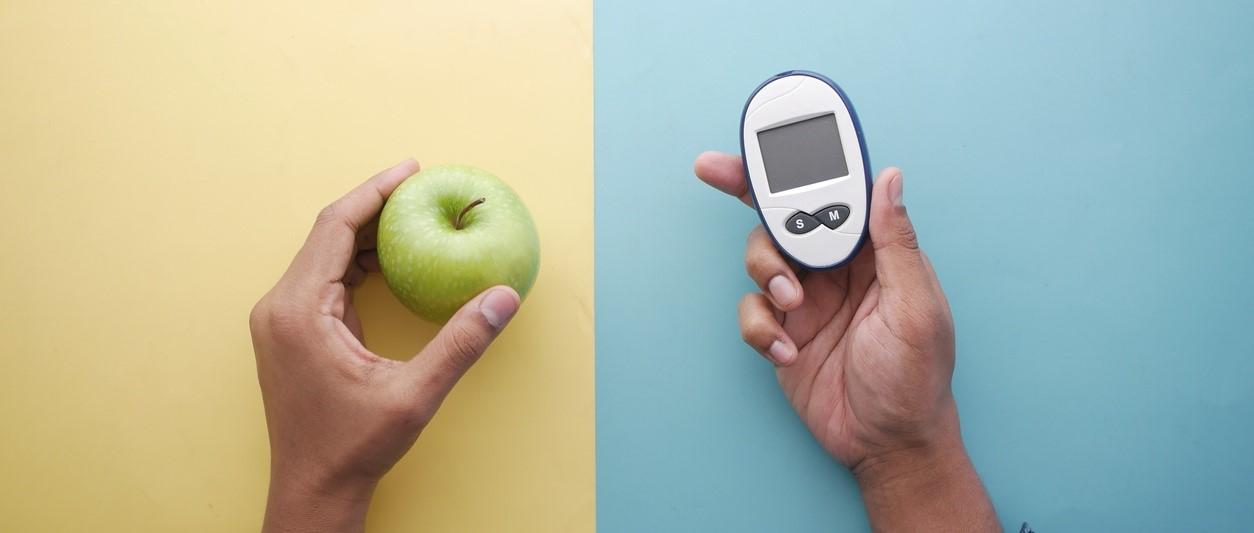
It can be hard to understand that a condition which affects how your body processes sugar could be dangerous for your feet. However, foot problems resulting from diabetes can have life-changing outcomes.

Exercise helps lower blood sugar levels, improves insulin effectiveness, and supports achieving a healthy weight - all vital components for managing type 2 diabetes. Being regularly active also helps boost your mental wellbeing and energy levels. Read on to find out how to exercise safely and effectively with type 2 diabetes.

Whether it's a quick catch-up in a café, a leisurely lunch or formal dinner, eating out with family and friends is one of life's great pleasures. But when you have diabetes, it can also be a challenge to eat healthily, control your blood sugar, and reduce your likelihood of other complications, such as diabetic ketoacidosis (DKA). We explore how, with a little planning and consideration, there's no need to miss out - even if you're taking medicine.